Lab / DossierEmbedded · Vision · Hardware · 2026
PRJ·02 Percepta
An affordable, modular assistive kit that helps people with macular degeneration find and reach for everyday objects.
System diagram
The problem
Age-related macular degeneration (AMD) progressively damages central vision, impairing reading, face recognition and object identification. People keep their mobility but lose independence, confidence and social participation. Existing assistive technologies often fail at long-term adoption because of high cost, complex interfaces and poor fit with daily life.
Design requirements
Guided by qualitative research and advisor feedback: affordability, modularity, everyday integration, and on-demand assistance.
Decisions
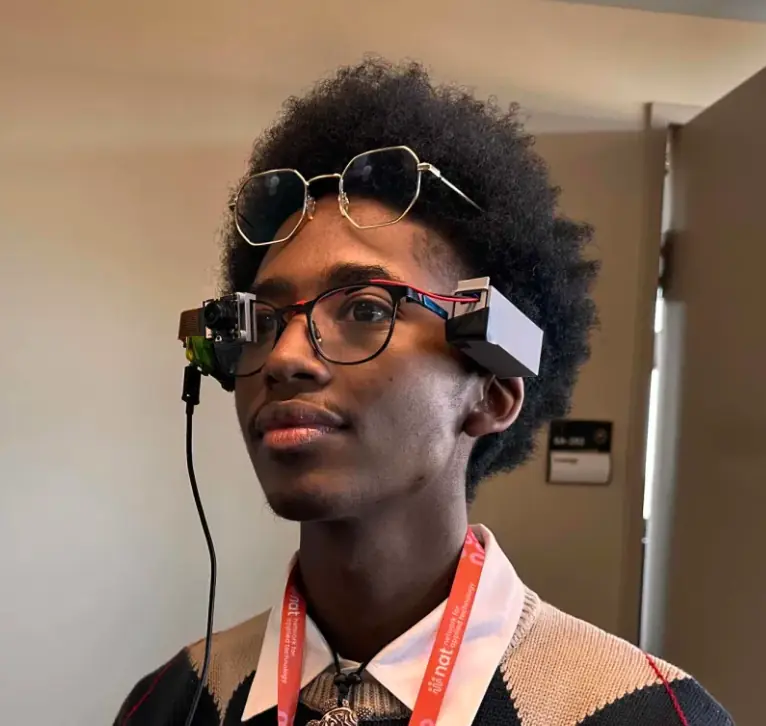
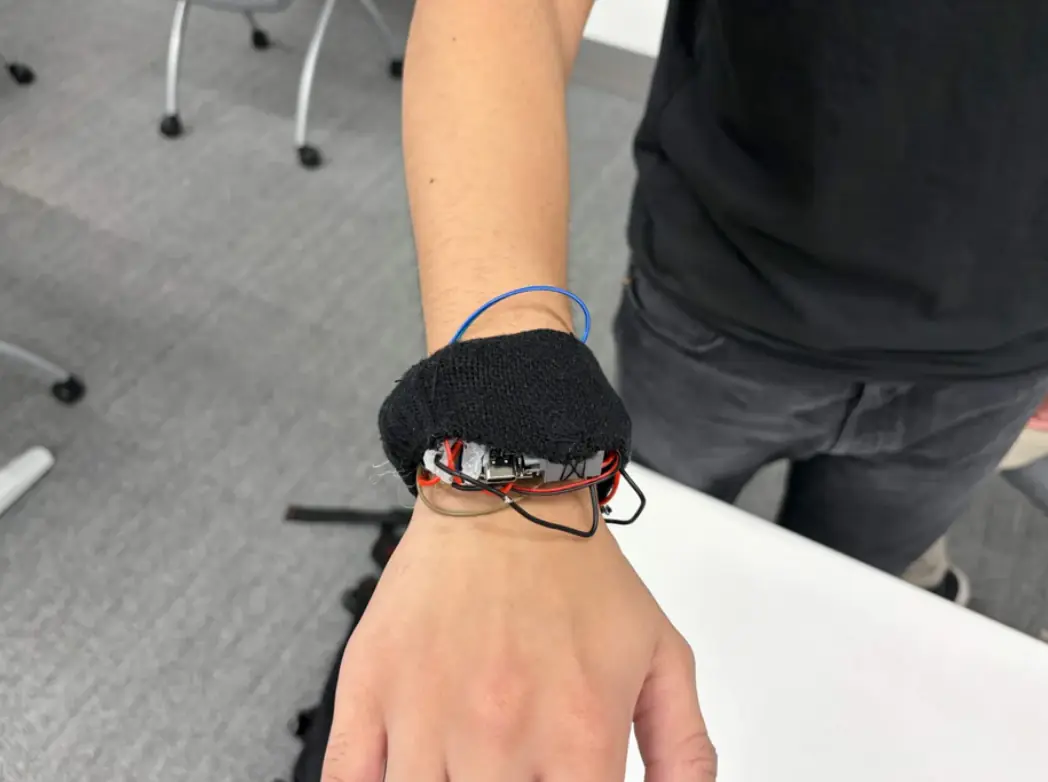
Rather than building full glasses, we designed a detachable sensor suite that retrofits existing eyewear, prioritizing familiarity and accessibility. Under hackathon time pressure, we locked down the software pipeline first. Hardware–software integration became the main bottleneck, so we narrowed the scope to a minimum viable product built around Percepta's core interaction, and made reliability the priority.
Next steps
Miniaturize the assembly, optimize battery life and add accessible physical controls, then run ethics-approved trials with AMD users. Longer term: move processing to smartphones, add features such as navigation, and build research partnerships for validation and adoption.
Evidence

Post-run note
“Hackathons are the epitome of engineering, and I couldn't be prouder of our product.”